Veterinary Orthopedic Surgery in Vancouver
Specialty veterinary orthopedic surgery in Vancouver provides advanced care for pets with injuries and conditions affecting the bones, joints, ligaments, and tendons. Using specialized training, diagnostic imaging, and surgical techniques, our team works to reduce pain, restore stability and mobility, and help pets return to a more comfortable, active life.
Our team works closely with pet owners, primary care veterinarians, and other veterinary specialists to develop an individualized surgical and recovery plan for each patient.
What Is Orthopedic Veterinary Surgery?
Specialty veterinary surgery includes advanced procedures performed by veterinarians with extensive training in surgical diagnosis, treatment, anesthesia, pain management, and postoperative care.
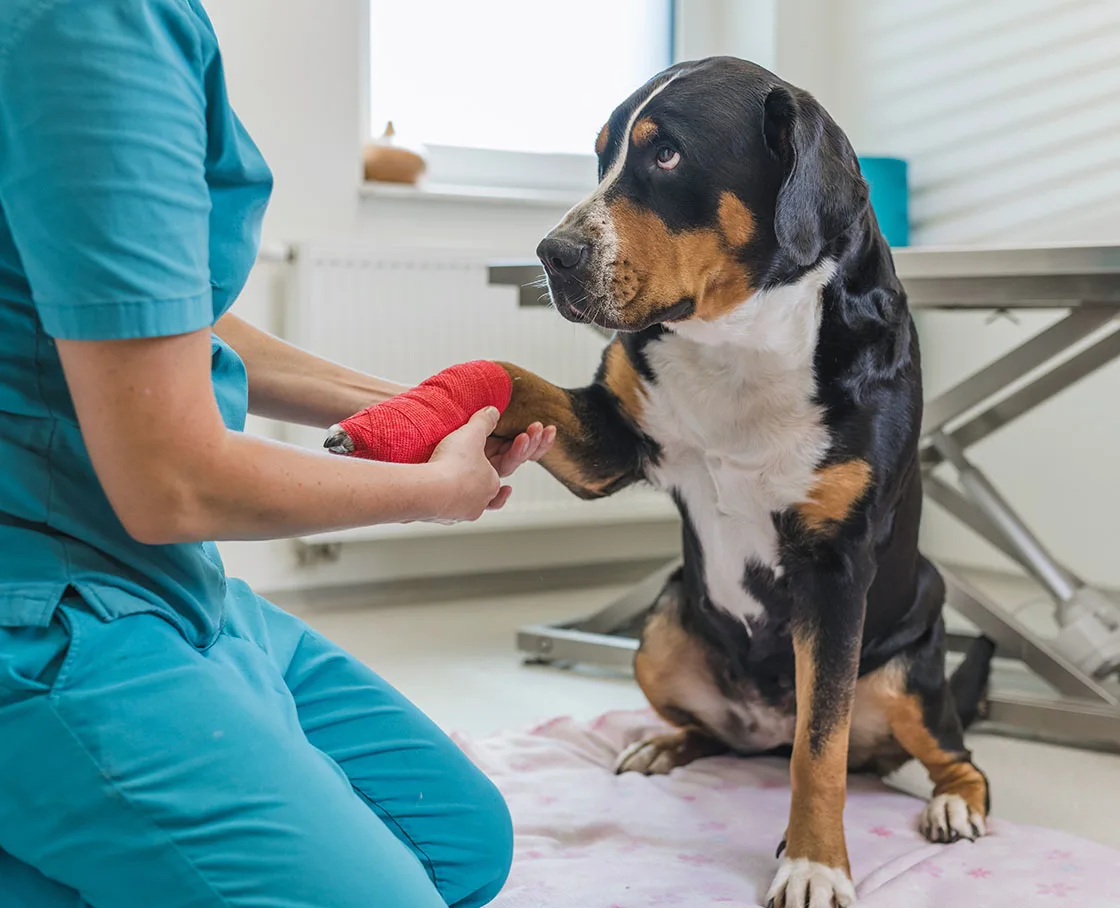
Veterinary orthopedic surgery focuses on diagnosing and surgically treating injuries, diseases, and developmental conditions affecting a pet’s bones, joints, ligaments, and tendons. These procedures are designed to restore stability and function, reduce discomfort, improve mobility, and support a safe recovery.
Board-Certified Veterinary Surgeons
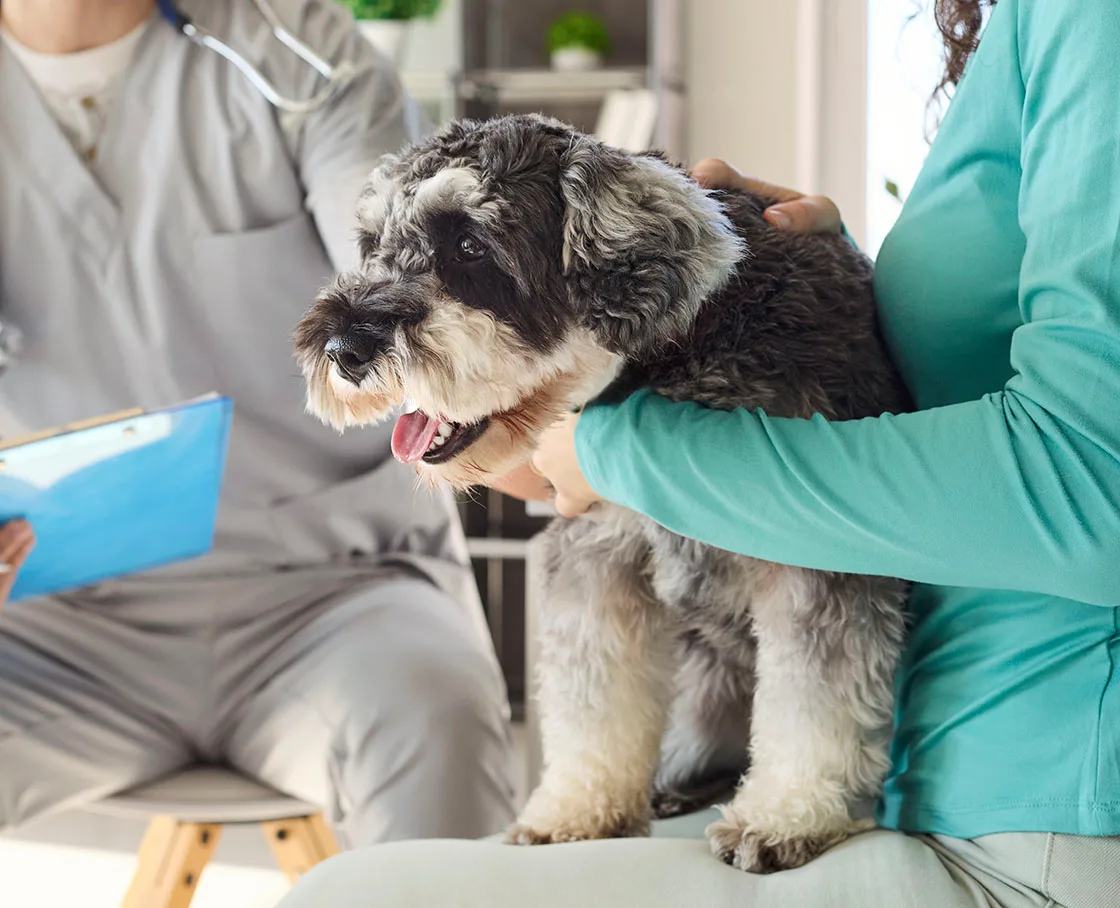
A board-certified veterinary surgeon has completed veterinary school followed by additional clinical training, typically including an internship and a surgical residency. Candidates must also satisfy the requirements of the American College of Veterinary Surgeons and pass a comprehensive certification examination. Passing these rigorous board exams officially makes your veterinarian a specialist, earning them the title of 'Diplomate' and the trusted 'DACVS' credentials.
This advanced training prepares veterinary surgeons to evaluate complex conditions, perform specialized procedures, manage surgical complications, and guide patients through recovery.

When Might My Pet Need an Veterinary Orthopedic Surgeon?
Your pet could be referred to a veterinary orthopedic surgeon after an injury or when a bone, joint, ligament, or tendon condition requires advanced evaluation or surgical treatment. Common reasons for referral include fractures, torn ligaments, joint instability, developmental abnormalities, chronic lameness, and orthopedic conditions that have not improved with nonsurgical care.
Your primary veterinarian can help determine whether a surgical consultation is appropriate based on your pet’s examination, diagnostic imaging, comfort, mobility, and response to previous treatment.
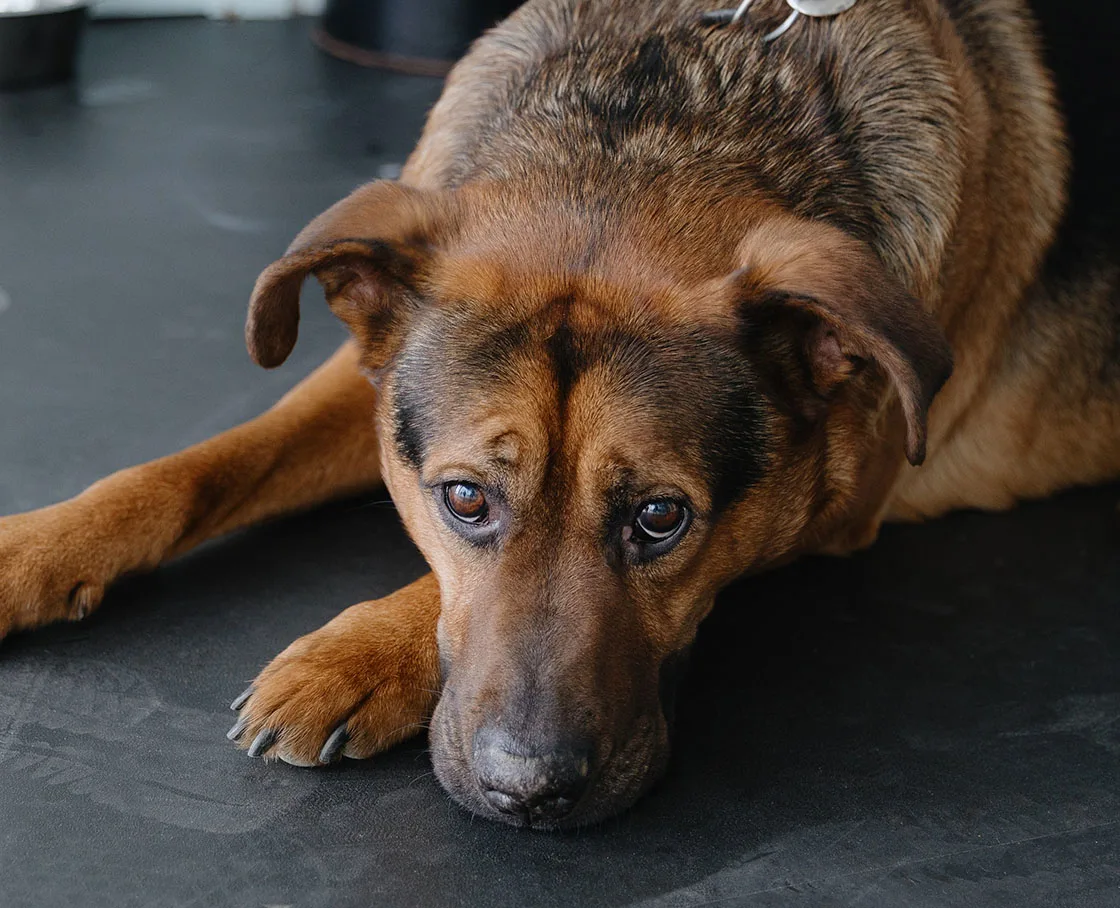
Orthopedic Surgical Services at Mountain View Veterinary Hospital:
The types of specialty orthopedic surgery available at Mountain View Veterinary Hospital are:
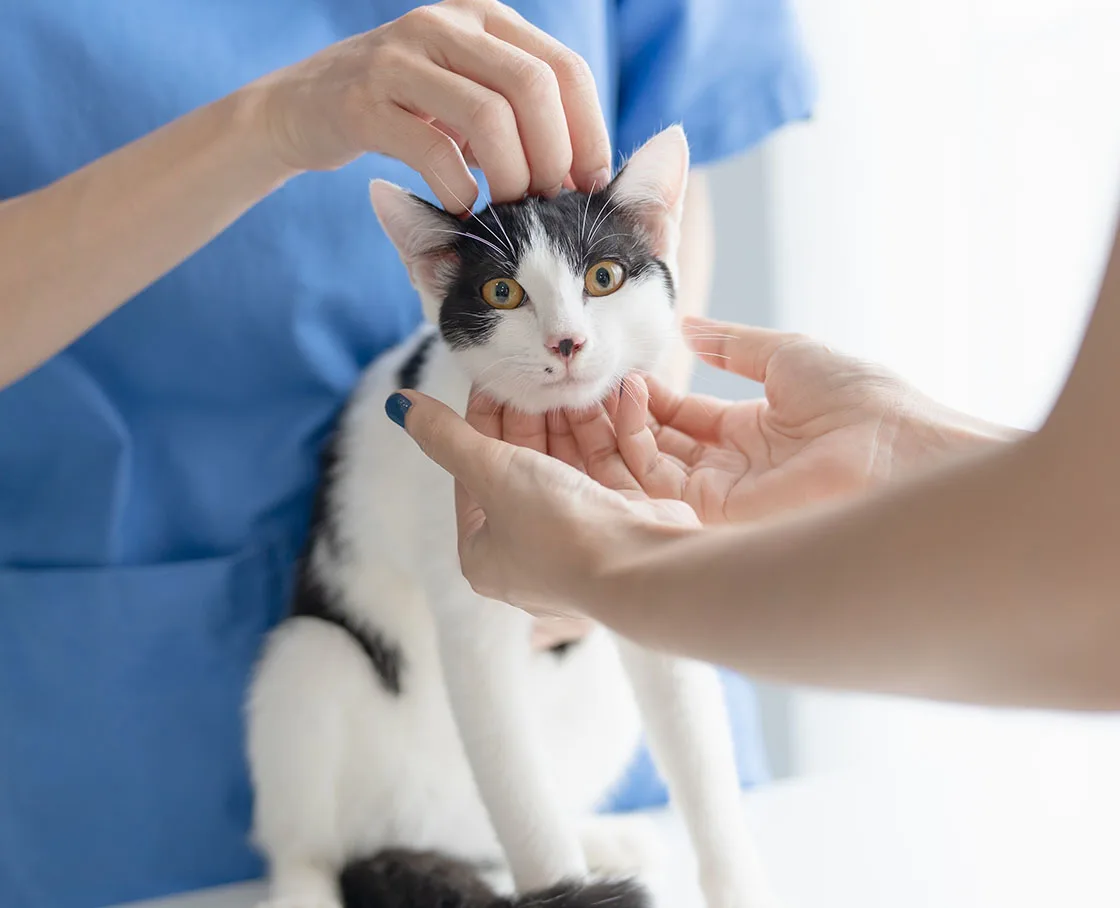
What to Expect at a Surgical Consultation
During your pet’s consultation, the surgical team will review available medical records and diagnostic results, ask about your pet’s symptoms and medical history, and perform a physical examination. An orthopedic or neurologic examination can also be performed when appropriate.
The surgeon will explain:
Your pet’s diagnosis or suspected condition
Additional testing that is recommended
Surgical and nonsurgical treatment options
The goals and limitations of surgery
Potential risks or complications
The anticipated hospital stay
Pain-management plans
Recovery and activity restrictions
Follow-up and rehabilitation needs
Expected outcomes
This consultation gives you an opportunity to ask questions and make an informed decision about your pet’s care.

Preparing for Your Pet’s Surgery
Preparation varies according to the procedure, your pet’s health, and the anesthesia plan. The surgical team will provide instructions concerning food, water, medications, arrival time, and required testing.
Do not withhold food, water, or medication unless instructed to do so by your veterinary team. Puppies, kittens, diabetic pets, and animals with certain medical conditions can require different preparation instructions.
Tell the surgical team about every medication and supplement your pet receives, including prescription medications, over-the-counter products, preventives, and supplements.

Anesthesia, Monitoring, and Pain Management
Before surgery, the veterinary team evaluates your pet’s medical history, examination findings, diagnostic results, and individual risk factors. Anesthesia and pain-management plans are then tailored to the patient and procedure.
During surgery, trained team members monitor your pet’s vital signs. Pain management can involve a combination of local anesthetics, injectable or oral medications, epidural anesthesia, and other techniques selected for your pet.

Recovery After Veterinary Surgery
Recovery depends on the procedure and your pet’s overall health. Some pets return home the same day, while others require overnight hospitalization or extended monitoring.
Before discharge, you will receive instructions addressing:
Medications
Incision care
Feeding
Exercise restrictions
Use of a recovery collar or protective device
Warning signs to monitor
Follow-up appointments
Suture or staple removal
Rehabilitation or home exercises
Following these instructions closely can help protect the surgical site and support a safer recovery.
Frequently Asked Questions
What is the difference between a veterinary surgeon and my primary care veterinarian?
Primary care veterinarians perform many routine surgical procedures. Veterinary surgical specialists have additional advanced training focused on complex orthopedic, soft-tissue, minimally invasive, and other specialized procedures.
Does a surgical consultation mean my pet must have surgery?
No. A consultation allows the surgeon to evaluate your pet, review treatment options, and determine whether surgery is appropriate. Nonsurgical management can be recommended when it is a suitable option.
Do I need a referral to schedule an appointment?
Referral requirements differ by hospital and service. Contact Mountain View Veterinary Hospital or speak with your primary care veterinarian for appointment information.
What is the difference between soft-tissue and orthopedic surgery?
Soft-tissue surgery treats the organs, skin, airway, chest, abdomen, urinary system, and other non-bone tissues. Orthopedic surgery treats bones, joints, ligaments, tendons, and related structures.
What is minimally invasive surgery?
Minimally invasive surgery uses small incisions and specialized cameras or instruments to perform certain procedures inside the abdomen, chest, or joints. Laparoscopy, thoracoscopy, and arthroscopy are common examples.
Is minimally invasive surgery always better than traditional surgery?
No single approach is best for every patient. The safest and most effective technique depends on the condition, procedure, equipment available, and your pet’s individual health needs.
Will my pet need diagnostic testing before surgery?
Preoperative testing depends on your pet’s age, medical history, condition, and planned procedure. Testing can include bloodwork, radiographs, ultrasound, CT, MRI, or other examinations needed for surgical and anesthetic planning.
Is anesthesia safe for my pet?
All anesthesia carries some risk. The veterinary team evaluates your pet before surgery, develops an individualized anesthetic plan, and monitors vital signs throughout the procedure to help manage that risk.
How is surgical pain managed?
Pain management is tailored to the patient and procedure. It can combine local anesthetics, injectable medications, oral medications, epidural anesthesia, and other techniques used before, during, and after surgery.
How long will my pet remain hospitalized?
The hospital stay depends on the procedure, your pet’s health, pain-control needs, and recovery. Your surgical team will discuss the anticipated hospitalization period with you.
How long does recovery take?
Recovery can range from several days to several months. Orthopedic procedures generally require longer activity restrictions than many minor soft-tissue procedures. Your surgeon will provide a recovery plan specific to your pet.
Will my pet need rehabilitation after surgery?
Rehabilitation can help some pets rebuild strength, maintain flexibility, and return to comfortable movement. Your surgeon will explain whether formal rehabilitation or prescribed home exercises are appropriate.
What should I do if my pet’s incision looks abnormal?
Contact your veterinary team if you notice increasing redness, swelling, discharge, bleeding, an opening in the incision, a bad odor, or persistent licking or chewing.
When should I seek urgent care after surgery?
Seek prompt veterinary guidance if your pet has difficulty breathing, collapses, develops uncontrolled bleeding, experiences severe pain, repeatedly vomits, cannot urinate, becomes extremely weak, or shows another sudden or concerning change.
Can my pet eat normally after surgery?
Feeding instructions depend on the procedure and your pet’s recovery. Follow the discharge instructions provided by the surgical team rather than immediately returning to your pet’s usual feeding routine.
Can my pet walk, run, or use stairs after surgery?
Activity restrictions depend on the procedure. Running, jumping, stairs, rough play, and off-leash activity are commonly restricted during recovery. Follow the surgeon’s instructions even if your pet appears to feel better.
Will my primary care veterinarian receive an update?
Specialty surgical teams generally communicate examination findings, procedures, and follow-up recommendations to the referring veterinarian to support continuity of care.
Book an Appointment at Mountain View Veterinary Hospital
New pets are always welcome at Mountain View Veterinary Hospital. Our friendly veterinary staff looks forward to providing our neighbors in the area and surrounding communities with the veterinary care they need.